Our group and lab have a track record of mentoring underrepresented minority and female students. The CU TRaIL’s diversity statement is here.
Establishing the AGeS-DiG Program
In 2022, I spearheaded the launch of the AGeS-DiG (Diversity in Geochronology) program as a new component of the AGeS initiative. AGeS-DiG is a micro-award program aimed at expanding geochronology access for those underrepresented in the Earth sciences. During its first proposal cycle AGeS-DiG funded 6 projects averaging ~$14,350 each and saw 16 submitted proposals. AGeS-DiG will make ~24 more awards of ~$18,000 each between 2023 and 2028.
RESESS Program: Mentoring Underrepresented Minority Interns
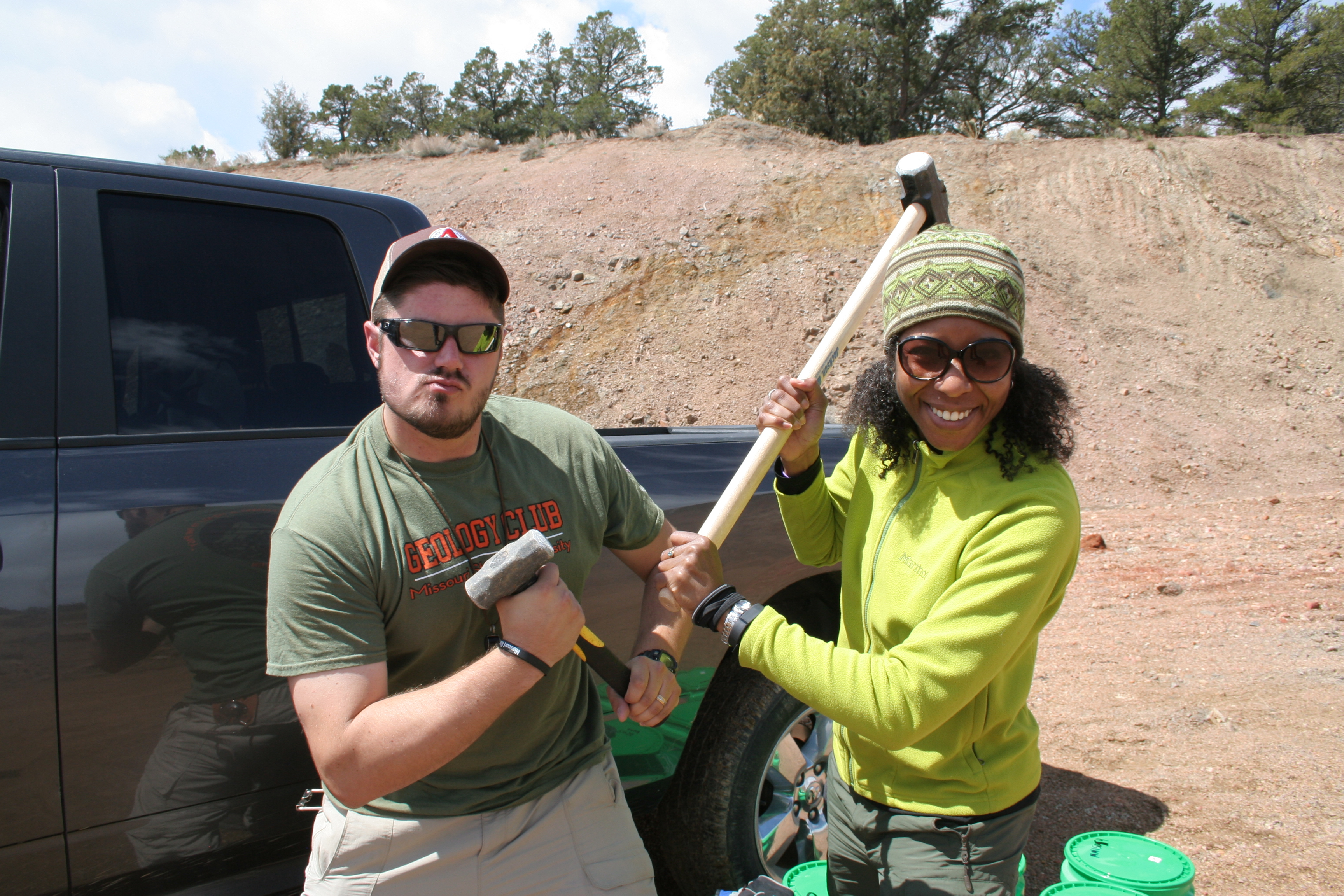
Our lab has directly mentored and/or hosted 7 interns in the RESESS (Research Experiences in Solid Earth Science for Students) summer program. All interns produced first-authored abstracts that they presented at national meetings. With one of the interns, Wes Weisberg, we published the second first-author publication by a RESESS student in the RESESS program’s 14-year history. Another intern, Fatima Niazy, is an author on a 2022 publication that includes data that she generated during her internship.
Thermochronology Short Course at the African Observatory Network
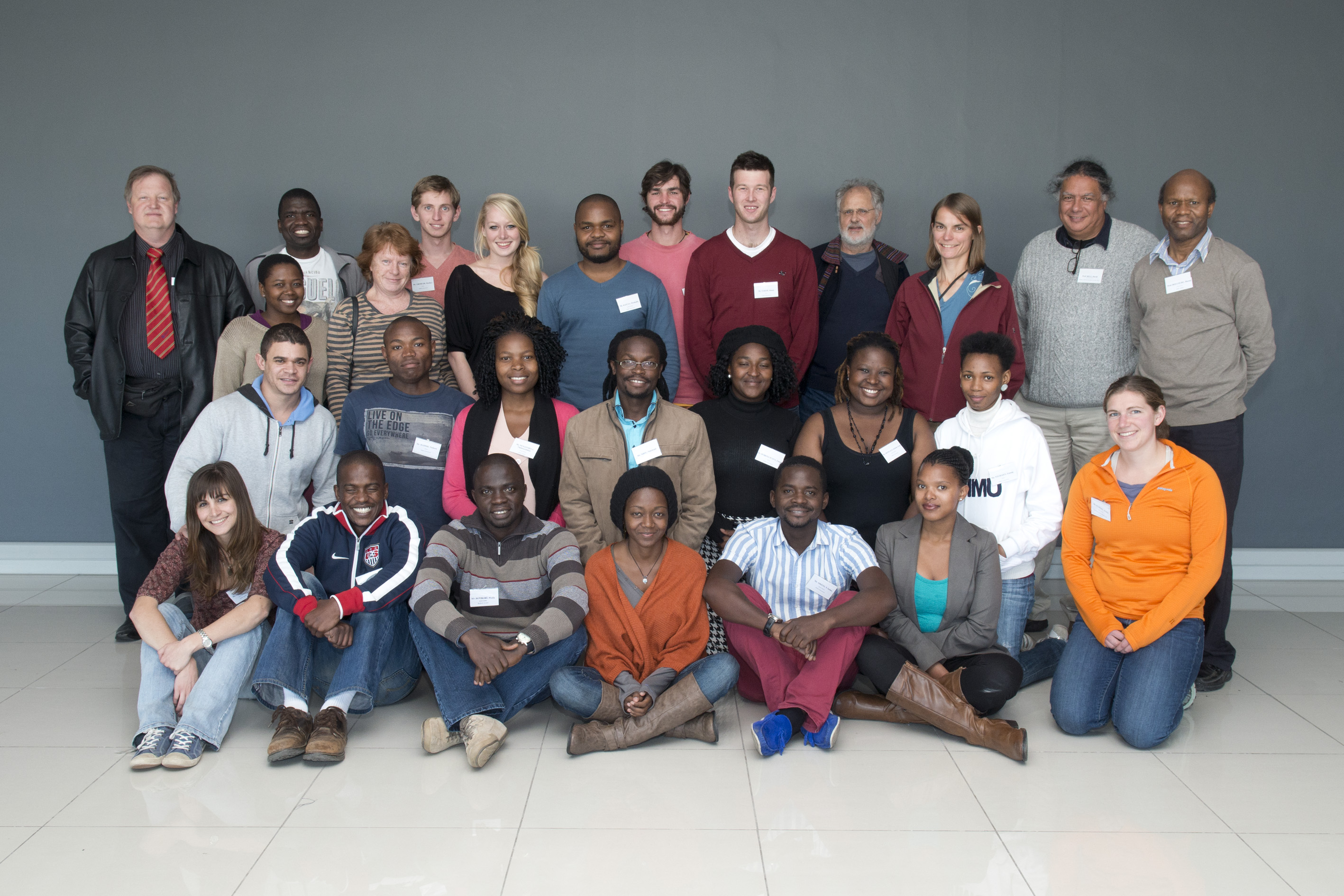
As part of my NSF CAREER grant, we organized a 1.25 day short course on thermochronology at the African Earth Observatory Network in Port Elizabeth, South Africa that was attended by 19 diverse African graduate students and postdocs. Thanks to Maarten de Wit and David Bell for working with us to coordinate the short course. My CAREER grant also financed the visit of Maggie Manoko, a South African black female graduate student from a severely disadvantaged background, to our lab for two months. During this visit, Manoko generated a key dataset for her MSc thesis that was presented in multiple scientific venues.
 Thermochronology, Geochronology, & the CU TRaIL